
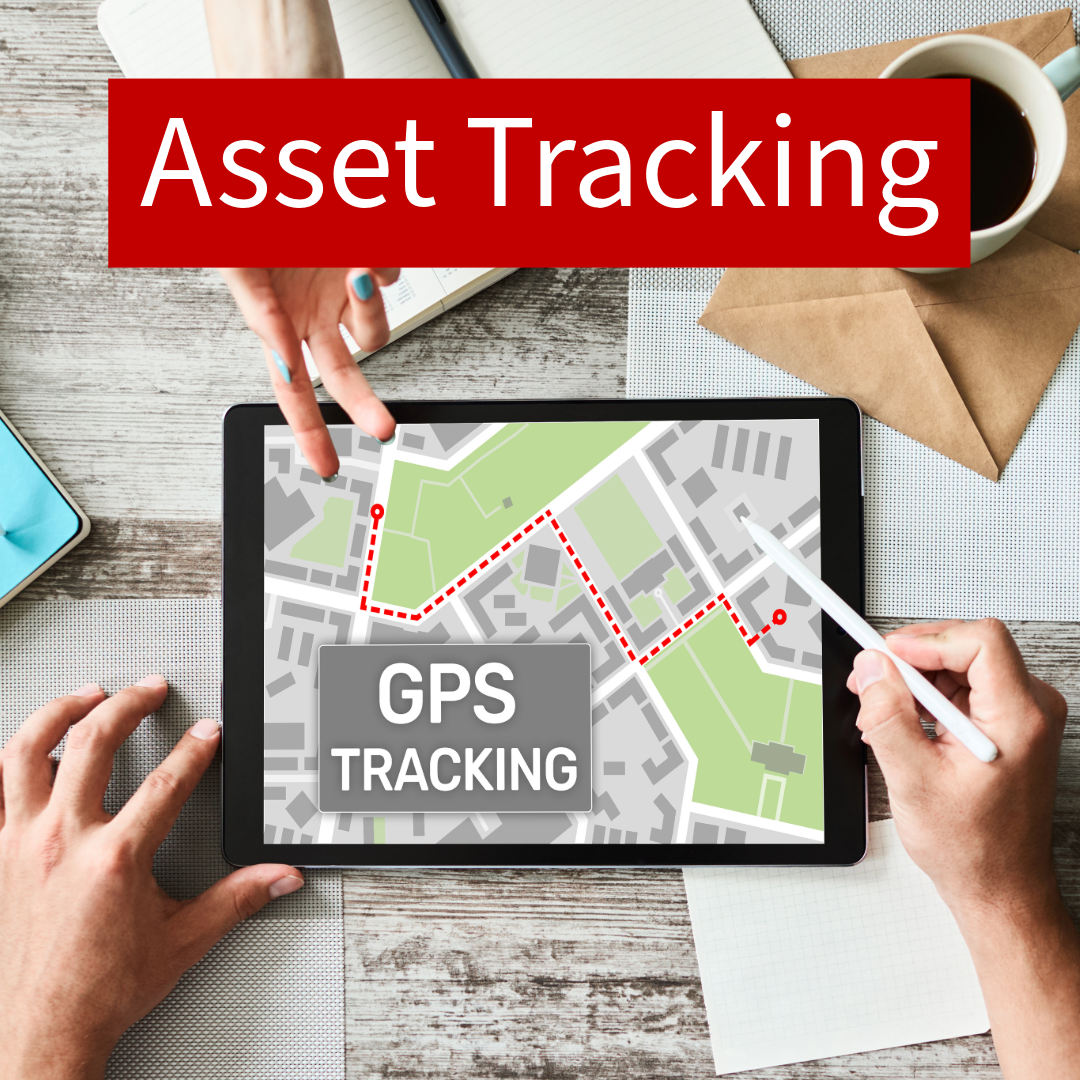
Your assets tracked from collection to destruction
🔐 Asset Tracking in Secure Shredding and Destruction: Why It Matters More Than Ever
In an age where data breaches and compliance violations can cost companies millions, secure shredding and destruction services are more critical than ever. But how do you ensure that every hard drive, document, or electronic device is accounted for from pickup to destruction?
The answer lies in Asset Tracking.
📦 What Is Asset Tracking in Secure Destruction?
Asset tracking is the process of monitoring the movement, status, and location of items—such as paper records, hard drives, or IT equipment—throughout their lifecycle. In the context of secure destruction, it ensures that every asset slated for shredding is:
- Identified
- Logged
- Tracked
- Verified as destroyed
🛡️ Why It’s Essential
1. Chain of Custody
Maintaining a clear, auditable chain of custody is vital. Asset tracking systems log every handoff, location change, and status update, ensuring no item goes missing or is mishandled.
2. Regulatory Compliance
Industries like healthcare, finance, and legal services are bound by strict data protection laws (e.g., GDPR, HIPAA). Asset tracking helps meet these requirements by providing documented proof of secure destruction.
3. Client Trust
Clients want assurance that their sensitive data is handled responsibly. A transparent tracking system builds trust and can be a competitive differentiator.
4. Operational Efficiency
Digitally tracking assets reduces manual errors, speeds up audits, and streamlines reporting—saving time and money.
🧰 Technologies Used
- Barcodes & QR Codes: Simple, cost-effective tagging for documents and devices.
- RFID Tags: Ideal for bulk tracking and real-time location updates.
- GPS Tracking: Monitors transport vehicles carrying sensitive materials.
- Cloud-Based Dashboards: Centralized platforms for real-time visibility and reporting.
🏢 Real-World Example
At Secure Shredding and Destruction Ltd, while serving hospitals uses RFID tags on bins containing patient records. Each bin is scanned at pickup, during transport, and at the shredding facility. The system logs timestamps and personnel involved, and automatically generates a Certificate of Destruction once the process is complete.
✅ Best Practices
- Tag assets at the point of collection.
- Use tamper-evident containers with unique IDs.
- Implement real-time tracking during transport.
- Automate destruction verification and reporting.
- Regularly audit your tracking system for gaps.
📈 The Future of Asset Tracking in Destruction
With the rise of IoT and AI, asset tracking is becoming smarter. Predictive analytics can flag anomalies, while blockchain may soon offer immutable records of destruction events.
Final Thoughts
In secure shredding and destruction, asset tracking isn’t just a nice-to-have—it’s a must-have. It protects your clients, your reputation, and your bottom line.